Celebrating Bill of Rights Day: Top Resources for Teaching the First Ten Amendments
Overview
Every December 15th, Americans should commemorate Bill of Rights Day—the anniversary of the 1791 ratification of the first ten amendments to the U.S. Constitution. For teachers, this is a perfect opportunity to help students understand these foundational protections of freedom and how they remain relevant today. Fortunately, dozens of high-quality (and mostly free) digital tools now make teaching the Bill of Rights more interactive, visual, and engaging than ever before. Here are some of the best resources to bring the Bill of Rights alive in your classroom this December.
Online Resources
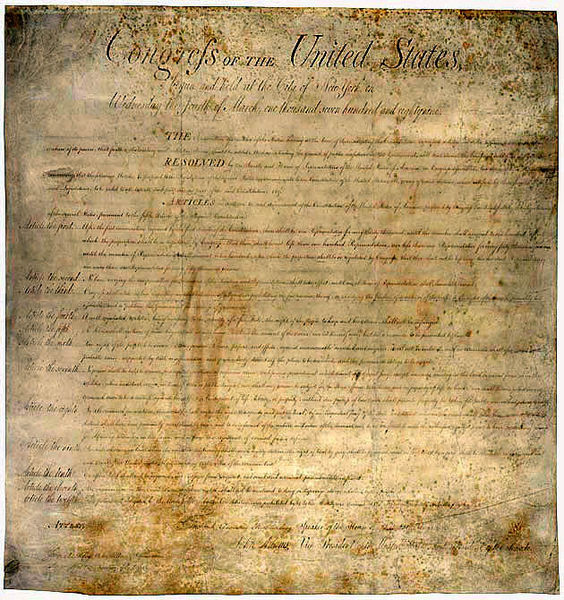
Start with the gold standard: the National Archives’ own Bill of Rights resources and the interactive transcription experience at Docsteach.org. Students can zoom into high-resolution scans of the original 1789 document, read founding-era handwriting, and even remix primary sources into their own activities. Pair this with the National Constitution Center’s Interactive Constitution (constitutioncenter.org/interactive-constitution), where every amendment is explained in plain language side-by-side with expert commentary from scholars across the political spectrum. Both sites work beautifully on tablets and Chromebooks and require no log-in for basic use.
For younger learners (grades 4–8), iCivics offers some of the most polished games and lesson plans available. “Do I Have a Right?” lets students run their own law firm and match client complaints to the correct Bill of Rights protection, and there’s a special “Bill of Rights Edition” that’s perfect for December 15th. The games run in any browser and now include a Spanish-language version (in game) —a huge plus for ELL classrooms. Teachers can create free accounts to track student progress and print ready-made extension activities.
High school teachers should bookmark the Bill of Rights Institute (billofrightsinstitute.org), which provides free document-based questions (DBQs), Voices of History dramatic readings, and short explainer videos featuring Supreme Court cases, and the popular “Homework Help” video series. Their "Being an American" lesson sets include Google Slides versions that are easy to assign in Google Classroom or Canvas.
"Creator" Driven Activities
Want students to create rather than just consume? Try Canva’s Bill of Rights template collection or Adobe Express’s free “Infographic Creator.” Students can design modern-day scenarios (e.g., a TikTok ban, school cell-phone searches, or protest livestreaming) and label which amendment applies. For a quick formative assessment, have students make a one-minute TikTok, Reel, or YouTube Short explaining “their” amendment using the free teleprompter feature in CapCut or iMovie —most kids already know these apps better than we do!
Podcasts
Don’t sleep on podcasting and audio resources. The Civics 101 podcast from New Hampshire Public Radio has a crisp 15-minute episode on each amendment—perfect for a flipped lesson or listening station. Combine it with the free transcript and have students annotate using Kami or Notability.
For a fun end-of-unit project, let students script and record their own “Civics 101-style” episode using Anchor.fm (now part of Spotify for Podcasters) (iOS / Android ), which is completely free and publishes directly to Spotify and Apple Podcasts.
School-Wide Celebrations
Finally, make December 15th itself memorable with a school-wide digital celebration. Set up a Padlet where every class posts one photo or meme showing a Bill of Rights freedom in action today (#BillOfRightsDay). Run a Kahoot or Wayground/Quizizz tournament using pre-made Bill of Rights question sets (hundreds are shared publicly). Some teachers even host a virtual “First Amendment Press Conference” on Zoom where students role-play journalists asking tough questions of historical figures portrayed by classmates.
Wrapping Up
Teaching the Bill of Rights no longer means dusty textbooks and rote memorization. With these apps, websites, and tech tips, you can help students see the first ten amendments as living promises that still shape their daily lives—from the phone in their pocket to the protests they scroll past online. This Bill of Rights Day, give your students the digital tools to not just learn the amendments, but to truly understand why they still matter 233 years later.
Guest Blogger:
Bill Franklin, the CEO of Internet4Classrooms, is our guest blogger this month. He has been on the faculty at The George Washington University, has years of platform instructional experience, was a career Army Special Operations officer and also has decades of experience as a youth sports coach.
Internet4classrooms is a collaborative effort by
Susan Brooks and Bill Byles.